
The Independence Myth
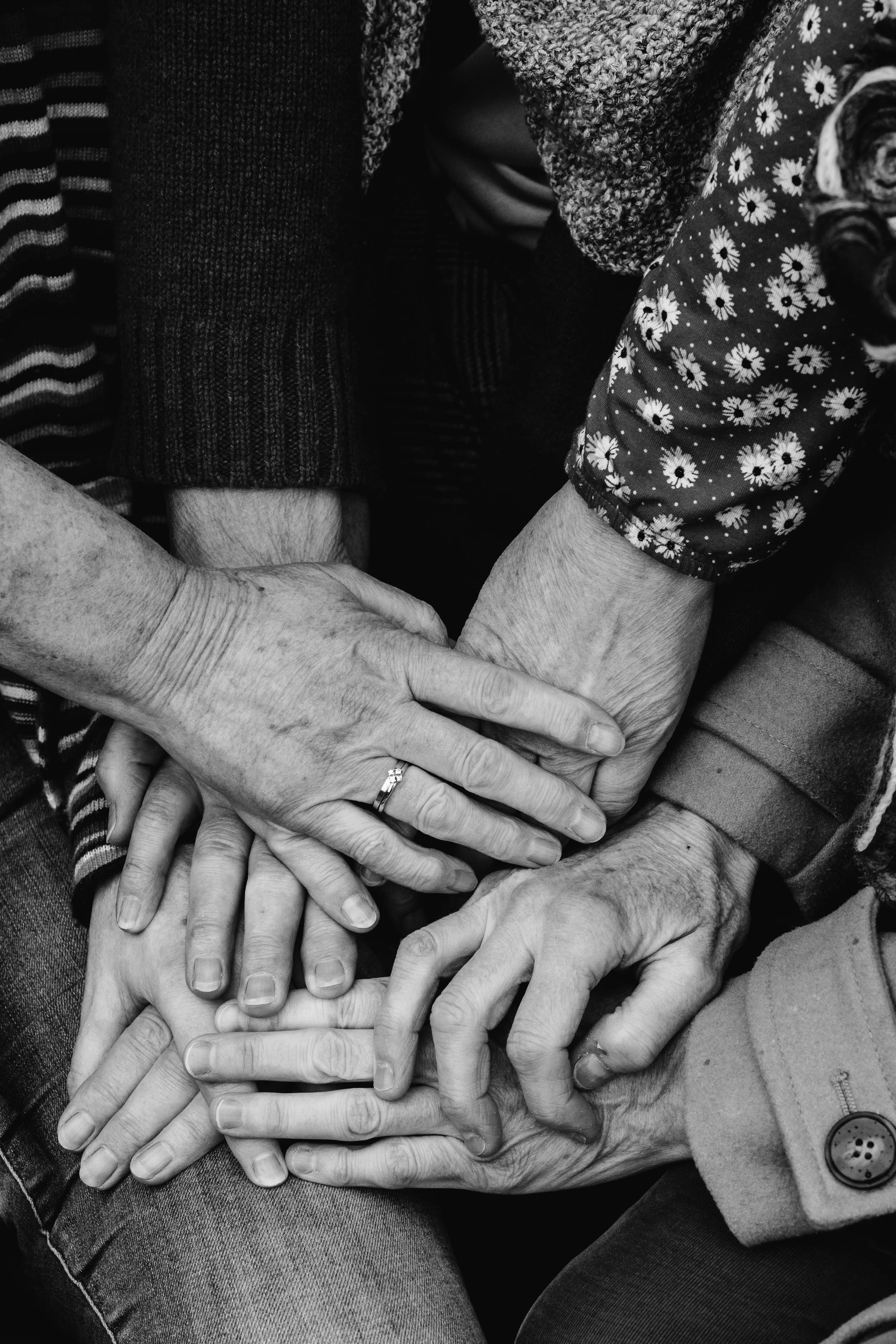
One of the things that we tend to value highly as adults, at least in western culture, is our independence. We want to be able to take care of ourselves, make our own decisions, and generally go about our lives without having to rely too much on other people. And one of the fears that often comes up around aging is the possibility of losing that independence. But I think there’s something worth questioning here: how independent are any of us, really?
Most of us rely on other people constantly. We rely on other people to grow and prepare our food, maintain our homes and communities, provide health care, fix our cars, cut our hair, and do countless other things that we either can’t or don’t want to do ourselves.
We also rely on people in our personal lives. We ask friends for support when we’re going through something difficult. We ask colleagues for advice. We lean on partners, family members, neighbours, and communities in all sorts of ways. We just don’t usually call this dependence.
In fact, many of the ways that younger and middle-aged adults depend on others are largely invisible to us. If I pay someone to clean my home or do my taxes, for example, I’m not generally viewed as having “lost my independence.” I’ve simply decided to get some help with something. But when an older adult needs help cleaning their home or managing their finances, we can be much quicker to view this as evidence of dependence or decline.
Of course, aging can bring changes that mean we need more help from other people. Changes in our health, mobility, vision, cognition, or energy can affect what we’re able to do on our own. The problem isn’t acknowledging those changes, it’s treating the need for help itself as somehow shameful, or as evidence that someone is no longer aging well.
I think part of this comes from how strongly we associate successful aging with independence. We often talk about helping older adults “maintain their independence” for as long as possible. And while I understand the intention behind this, I wonder if autonomy is actually closer to what we’re trying to preserve. Autonomy isn’t the same thing as doing everything yourself, it’s about preserving the ability to make choices.
You can need help getting groceries and still decide what you want to eat. You can need someone to drive you somewhere and still decide where you want to go. You can need assistance with aspects of your health or daily life while still having preferences, opinions, values, and a desire to have a say in what happens to you. This distinction feels important because if independence becomes the standard for aging well, needing other people can start to feel like failure. And that can make it harder to ask for or accept help when it would actually make life easier, safer, or more enjoyable.
Perhaps a better term to be using instead is interdependence.
Throughout our lives, we are constantly giving and receiving support. Who provides that support, what it looks like, and how much we need may change over time. There will be periods when we are doing more for other people and periods when other people are doing more for us. That’s not exclusive to older adults, it’s part of the human experience.
So rather than making the goal of aging “I never want to have to depend on anyone,” maybe we can make room for a different goal: maintaining as much choice and agency as possible while also being willing to give and receive care. Because needing other people is an integral part of our lives at any age.
Disclaimer: This blog post is provided for educational and informational purposes only and is not intended to constitute psychological or medical advice, diagnosis, or treatment. The information provided is general in nature and may not be appropriate for every individual or situation. Reading this content does not establish a psychologist-client relationship. If you have concerns about your mental or physical health, please consult an appropriately qualified healthcare professional.