
The Hardest Part of Caring: Balancing Safety and Autonomy in Later Life
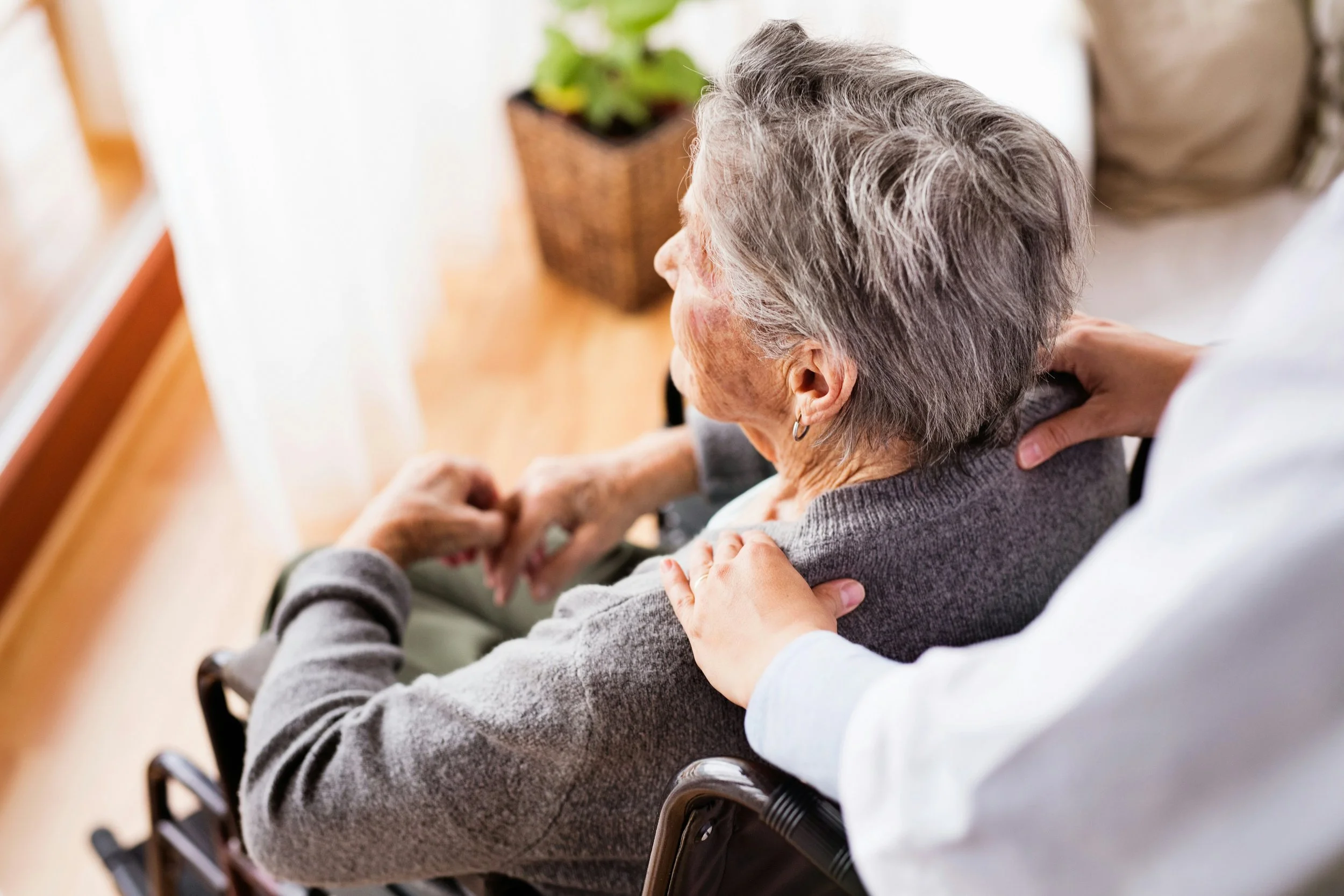
One of the more difficult aspects of caring for an older adult who is facing decline, loss of independence, or frailty isn’t about their physical condition per se but it's about risk.
An older parent wants to keep driving. They insist on climbing the step stool to change a light bulb. They want to walk to the grocery store alone. They refuse extra help around the house. Meanwhile, the people who love them are thinking, "What if something happens?"
It's an incredibly difficult position to be in because both people are usually motivated by the same thing: love. The older adult wants to preserve their independence and sense of personhood. The family wants to protect them. The problem is that those two goals don't always point in exactly the same direction.
Why autonomy matters so much
As psychologists, we often talk about autonomy as a basic psychological need. It's not simply about doing everything yourself. It's about having a sense that ‘I can make choices’ and ‘my life still belongs to me.’
As we get older, there are often more and more things that threaten that need. Retirement may mean giving up an important role. Health conditions can make us more dependent on others. Friends move away or die. Our worlds sometimes become a little smaller. That makes the opportunities to continue making our own decisions even more meaningful.
Research consistently shows that maintaining autonomy is associated with better well-being, lower rates of depression, greater motivation, and a stronger sense of dignity. Put simply, people generally do better when they continue to feel that they have some say over how they live their lives.
The trap many families fall into
When we love someone, our instinct is to protect them. That's a beautiful instinct. But sometimes, without realizing it, our goal quietly shifts from making things safer to reducing all risks. The problem is that complete safety doesn't exist. None of us live that way! We get behind the wheel of a car. We travel. We ski. We climb ladders. We go for hikes. Every day we accept certain risks because we believe they're worth taking.
Older adults don't suddenly stop valuing those same things simply because they've reached a certain age. Sometimes I encourage families to ask themselves a different question. Instead of asking, “How do we guarantee safety?" ask “How do we reduce the risk while preserving as much autonomy as possible?"
It's a small shift in wording, but it often leads to very different conversations and solutions.
From taking over to working together
One thing I've noticed is that conversations tend to go better when older adults feel included rather than managed. Rather than immediately saying, "You shouldn't be doing that anymore," try expressing curiousity first.
“What feels important about continuing to drive?"
“What worries you about accepting more help?"
“Is there a way we could make this a little safer without giving it up altogether?"
Oftentimes the answer isn't all-or-nothing. Maybe driving is limited to daytime. Maybe grab bars make showering safer. Maybe grocery shopping becomes a shared outing instead of something that's taken away completely. Often, there are creative solutions that honour both safety and independence.
The acceptance that caregiving requires
Here’s the potentially hardest thing to accept: caring for someone you love means living with uncertainty. Even after you've done everything “right," something unexpected can still happen. That's incredibly uncomfortable. Many caregivers carry around an unspoken belief that if they're vigilant enough, careful enough, or involved enough, they'll be able to prevent anything bad from happening.
I wish that were true. But no caregiver, no matter how loving or attentive, can eliminate all risk. Part of caregiving is learning to tolerate that uncertainty while continuing to make thoughtful, compassionate decisions.
So instead of asking yourself, “Did I prevent every possible bad outcome?" it may be more helpful to ask:
“Have we talked openly about the risks?"
“Have we taken reasonable steps to reduce them?"
“Have I respected what matters most to the person I'm caring for?"
Those questions are often more realistic and ultimately more compassionate.
It's about more than safety
I sometimes remind my clients that the goal isn't simply to help someone live longer. It's to help them continue living their life in a way that helps them feel alive and like themselves. Sometimes that means accepting a little more uncertainty than we'd like.
And while safety matters, so do dignity, purpose, choice, and the feeling that your life is still your own. Those are worth protecting, too.
Disclaimer: This blog is intended for informational and educational purposes only and should not be considered medical, psychological, or legal advice. Every situation is unique, and the information provided here is not a substitute for individualized advice from a qualified professional. If you have concerns about your own or a loved one's health, safety, or decision-making capacity, please consult an appropriate healthcare provider or other relevant professional.